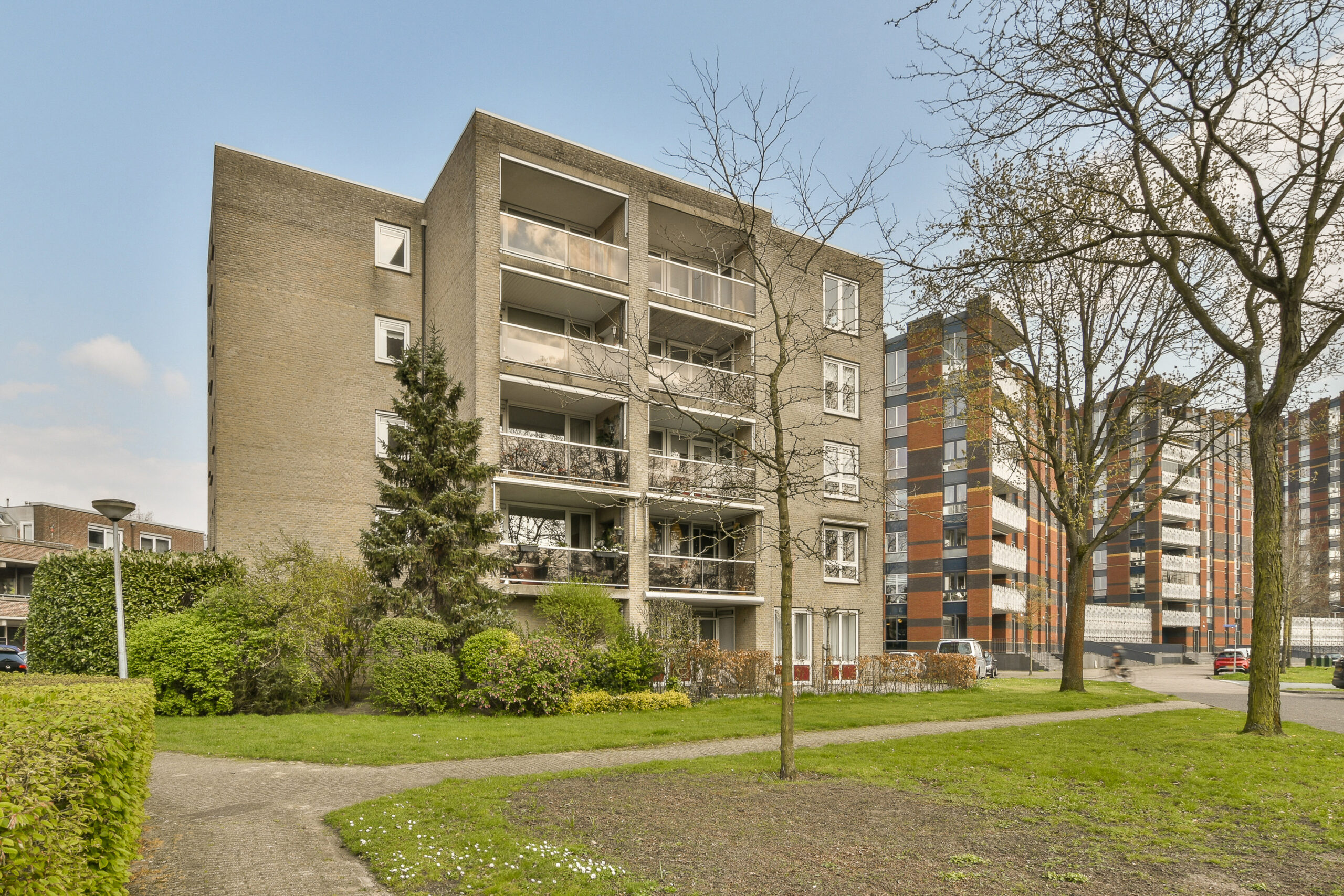

Why Real Estate Syndications are an Ideal Investment for Passive Income Seekers
Passive income is one of the most sought-after financial goals — and one of the most misunderstood. True passive income doesn’t mean zero risk or zero judgment. It means you’ve invested capital into something that produces returns without requiring your ongoing time and attention. Real estate syndications are one of the most structurally efficient vehicles for achieving this.

What Makes a Syndication Truly Passive
When you invest passively in a real estate syndication, you are a limited partner (LP). Your role begins and largely ends with your due diligence and investment decision. Once you’ve committed capital, a professional operating team handles acquisitions, financing, tenant management, capital improvements, reporting, and eventual disposition.
You receive distributions — typically quarterly, sometimes monthly — and periodic reporting on the property’s performance. You do not receive maintenance calls. You do not negotiate leases. You are not involved in hiring or firing the property management team. That work belongs to the general partner (GP) and their operating partners.
The Income Stream: What to Expect
Distributions in a multifamily syndication come from rental income after expenses, debt service, and reserves. Well-structured deals are designed to deliver consistent cash distributions throughout the hold period, with a larger return of capital and profit at sale.
Cash on Cash Returns of 6–10% annually are typical in well-underwritten multifamily deals, meaning an investor placing $100,000 might expect $6,000–$10,000 per year in distributions. The total return — including the equity event at sale — is typically higher, often reflected in a projected IRR of 14–18%.
Five Reasons Syndications Work for Passive Investors
- No management burden: The entire operational responsibility sits with the sponsor. You evaluate the deal, sign the documents, wire the funds, and receive quarterly reports and distributions.
- Professional underwriting: You benefit from the due diligence and operational expertise of a team that does this full-time — including market analysis, property inspection, financial modeling, and lender negotiation.
- Economies of scale: Institutional-quality properties are managed more efficiently than individual rentals. A 120-unit building spreads fixed costs across more units, improving margins for investors.
- Tax-advantaged income: Depreciation deductions can shelter a significant portion of your distribution income from ordinary income tax, making after-tax returns considerably more attractive.
- Inflation hedge: Apartment rents tend to rise with inflation over time, making multifamily real estate a natural hedge against purchasing power erosion in ways that fixed-income investments are not.
What Passive Doesn't Mean
Passive investing in a syndication still requires serious due diligence on the front end. Evaluating a sponsor’s track record, understanding the deal’s underwriting assumptions, reviewing the private placement memorandum (PPM), and asking hard questions about the downside scenarios are all your responsibility as an investor.
Fourth Wall Capital encourages every investor to ask us the uncomfortable questions — about market risk, financing structure, sponsor fees, and exit assumptions. The quality of a sponsor is often best revealed by how they respond when you press on the downside.
Fourth Wall Capital's Approach
We are multifamily specialists. Our team includes actuarial-trained financial modeling, institutional property management experience through our operating partnership with Rachuba Management, and a sourcing network built on relationships rather than auction-market bidding. We bring that infrastructure to passive investors who want real estate exposure without the operational burden.
Ready to learn more?
Fourth Wall Capital brings an actuarial approach to multifamily investing — stress-testing assumptions so you understand the risk before you commit the capital. Visit https://invest.fourthwall.capital/ or contact us to start a conversation.