
How Real Estate Syndications Can Help You Diversify Your Investment Portfolio
Diversification is one of the foundational principles of investing — and most investors believe they’re more diversified than they actually are. A portfolio of U.S. stocks, bonds, and cash equivalents is certainly diversified within those asset classes. But all three of those assets share a common thread: they respond to the same macroeconomic forces, central bank policy, and public market sentiment.
Real estate syndications introduce a fundamentally different return driver — and that difference is the source of their diversification value.

Why Real Estate Diversifies Differently
The academic concept behind diversification is correlation: the degree to which two assets move together. When two assets have low or negative correlation, combining them in a portfolio reduces overall volatility without necessarily reducing expected returns.
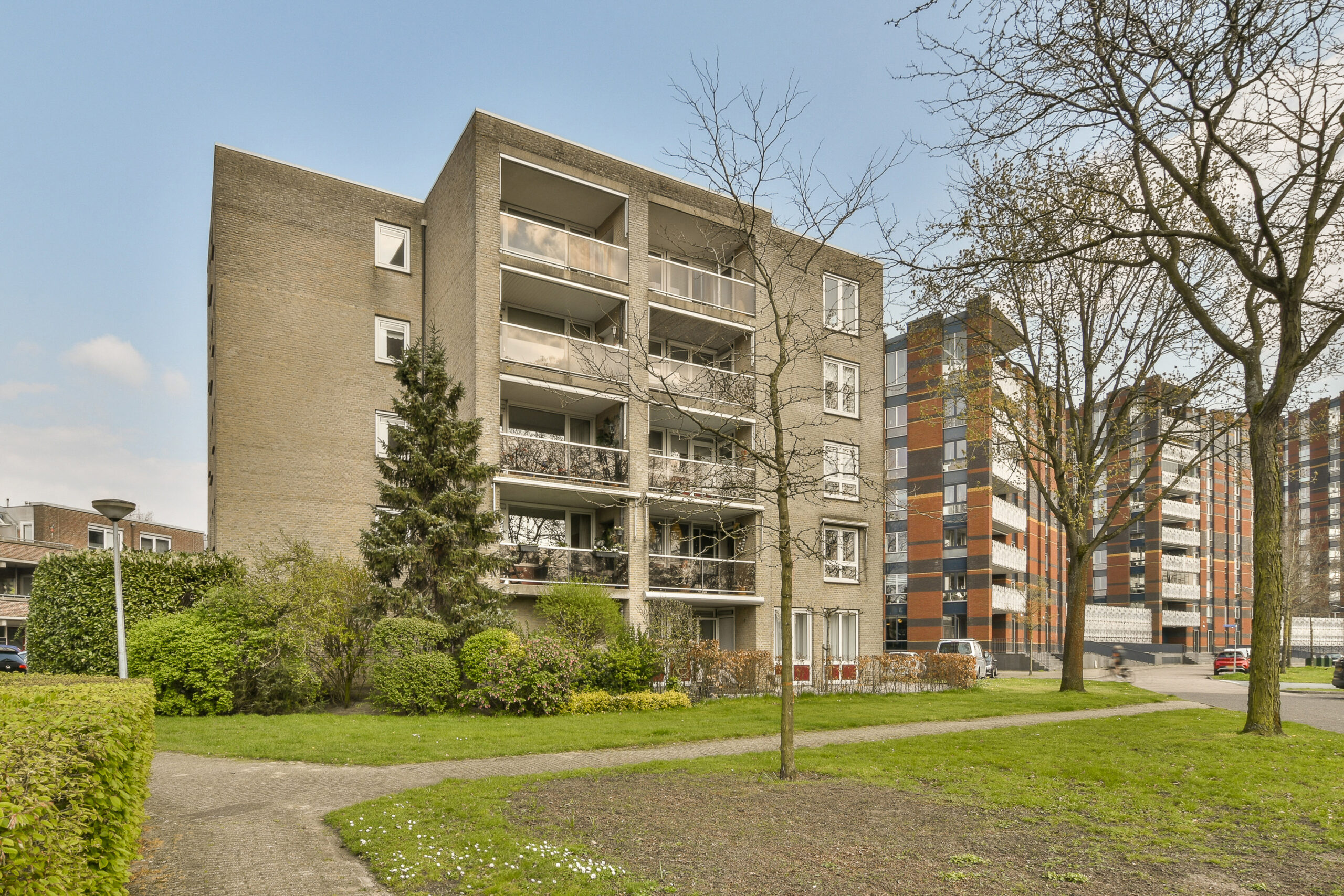
Private real estate — particularly multifamily housing — has historically shown low correlation to public equity markets. The reason is intuitive: whether your apartment building in Nashville is running at 95% occupancy depends on local employment, housing supply, and population trends — not on the daily sentiment of stock traders in New York. These are different economic signals, operating on different timescales.
How Syndications Enable Real Diversification Within Real Estate
Beyond diversifying away from stocks and bonds, syndications allow investors to diversify within real estate itself:
- Geographic diversification: A single investor can participate in deals across multiple metro markets — avoiding concentration in any one city’s economic cycle.
- Deal-stage diversification: Investing in both value-add and stabilized deals creates a blend of higher-return/higher-risk and lower-return/lower-risk exposure.
- Vintage diversification: Investing in deals across different calendar years means you’re not all-in on a single market cycle or interest rate environment.
- Operator diversification: Working with multiple sponsors reduces the risk that any single team’s operational challenges affect your entire real estate allocation.
The 2008 Example — And Its Limits
During the 2008–2009 financial crisis, the S&P 500 fell approximately 50% from peak to trough. Stabilized multifamily real estate, while certainly affected by economic stress, declined far less dramatically. This is the non-correlation benefit in action.
It’s worth being honest, however: real estate is not recession-proof. Highly leveraged deals with floating-rate debt were severely stressed in 2008–2009 and again in 2022–2023 as interest rates rose. The diversification benefit depends enormously on deal structure and leverage levels.
How Much of a Portfolio?
Financial planners and institutional allocators commonly suggest that private real estate — including syndications — represent 10–20% of a diversified investment portfolio for investors who can tolerate the illiquidity. This is not a universal rule; it depends on your time horizon, liquidity needs, tax situation, and overall wealth picture. The key point is that real estate is most effective as a complement to a portfolio, not a replacement for other asset classes.
Fourth Wall Capital's Approach
We work primarily with investors who are building a meaningful real estate allocation alongside existing stocks, bonds, and retirement accounts. We focus exclusively on multifamily apartment housing — a sector with a long track record of stability relative to other real estate asset types — and we underwrite conservatively to help investors understand both the potential upside and the genuine risks before committing capital.
Ready to learn more?
Fourth Wall Capital brings an actuarial approach to multifamily investing — stress-testing assumptions so you understand the risk before you commit the capital. Visit https://invest.fourthwall.capital/ or contact us to start a conversation.